Meeting Kali: Why Men Are Drawn to Women Like Moths to a Flame, Again and Again—And How Embracing the Divine Feminine Leads to Transformation

Updated: Dec 29, 2024
By Johnny Pecan Pie
Oh, dear soul, step with me into the story of Kali—the fierce, untamed goddess who dances with chaos and creation, destruction and renewal. Through her myth, we see not only the fiery power of the divine feminine but also the deep invitation she offers us: to confront our illusions, surrender our ego, and awaken to the wholeness that has always been within.

This is not merely a myth of gods and goddesses; it is the living story of our psyche. It is the battle we each face as we struggle to reconcile the wild, primal parts of ourselves with the lives we’ve carefully constructed. And in Kali’s dance, we find not chaos for its own sake, but a path to profound transformation.
Kali: The Fierce Face of Transformation
Kali emerges at a moment of great crisis. In her myth, the world is under siege by a powerful demon, Raktabija, whose power makes him nearly impossible to defeat. Every drop of his blood spilled in battle gives rise to another demon, a thousandfold. It is an endless, overwhelming tide of destruction—an apt metaphor for the problems in our own lives that seem to multiply the harder we fight against them.
When the gods prove powerless, they call upon the divine feminine, and from the depths of creation, Kali is born. She appears as a whirlwind of raw power, her wild hair flowing, her tongue lolling out in defiance, her skin as dark as the night sky. Armed with weapons and a terrifying, otherworldly presence, she charges into battle.
Kali’s strength is absolute. She slays the demons with ferocity, consuming Raktabija’s blood before it touches the ground, ensuring his power cannot regenerate. Her actions are swift and merciless, a reminder that transformation often requires the destruction of what no longer serves us.
Yet, in her rage, Kali becomes unstoppable. She does not merely slay the demons; she begins to destroy everything in her path. Her dance of destruction is wild and unrelenting, threatening to obliterate the very world she came to save.
Kali as the Destroyer of Illusion
What does Kali’s terrifying dance mean for us? She is not merely a force of destruction; she is a mirror, reflecting the chaos within our own minds. Kali’s garland of skulls represents the destruction of the ego—the heads of those who clung too tightly to their illusions. Her severed arms are the attachments we refuse to let go of, the things that keep us bound to old identities and patterns.
Kali’s myth forces us to ask: What must die within us for something new to be born?
She demands that we confront the parts of ourselves that cling to control, the fears that keep us from stepping into our fullness, the illusions that prevent us from seeing the truth. Her destruction is not cruelty; it is a sacred clearing. Kali tears away the false layers we use to protect ourselves, revealing the raw, unfiltered truth of who we are.
The Masculine’s Chase: Seeking Kali Outside
What is it about women that draws men like moths to a flame, again and again, even at the cost of their own destruction?Kali’s energy is magnetic, captivating, and terrifying. For many men, this energy is deeply felt but often misunderstood. Instead of turning inward to embrace their own wild, untamed feminine energy, they project it outward, seeking Kali in the women they encounter.
Each woman becomes a reflection of a different face of the divine feminine—beauty, wisdom, sensuality, or chaos. Men chase these qualities, longing to possess them, to make them their own. But this external pursuit leads only to destruction.
In Kali’s myth, the men she slays represent this very dynamic. They are those who sought to possess her power without understanding it. The skulls around her neck are symbols of the countless who tried to control what was never theirs to claim.
This pursuit of the feminine outside oneself creates a cycle of longing and dissatisfaction. Men move from one relationship to another, hoping to find in another person what they lack within themselves. But no woman can embody all the faces of Kali, nor should she be asked to. The divine feminine is infinite, and no finite partner can fill that void.
Related Article: Masculine Feminine Integration: Awakening the Integrated Self
The Path to Wholeness: Awakening the Anima Within
To break free from the cycle of projection is to turn inward. Here, the insights of Jungian psychology guide us. The anima, that divine feminine energy within a man’s psyche, is not meant to be possessed externally but awakened internally.
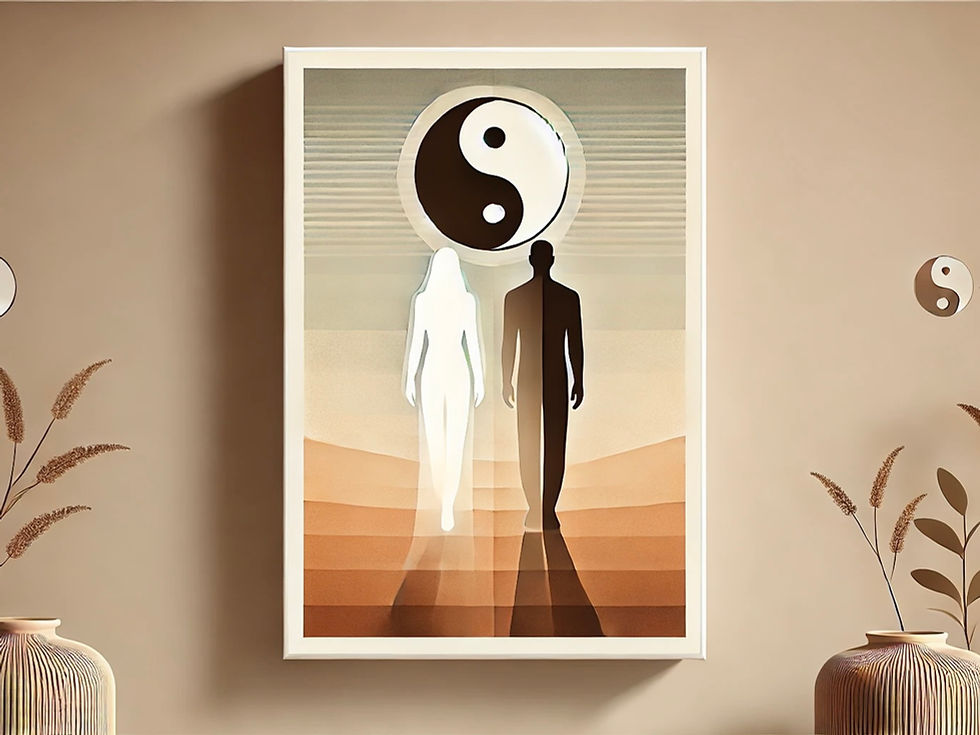
When a man becomes aware of his anima, he realizes that the beauty, tenderness, and chaos he seeks in others are aspects of his own soul calling him home. The divine feminine is not a lover to be won but a part of himself to be embraced. This is the path of individuation, the process of becoming whole by integrating all the parts of the self—masculine and feminine, light and shadow.
Shiva’s Blissful Surrender: A Model for Integration
When Kali’s dance becomes too destructive, threatening to destroy everything in her path, the gods turn to Shiva, the masculine divine, for help. Shiva does not fight Kali or try to control her. Instead, he lies down in her path, surrendering completely.
When Kali steps on Shiva, her wild rage halts. She becomes aware of her actions and regains her balance. This moment is not one of defeat for Shiva; it is a moment of profound reverence and trust. Shiva’s surrender shows us that the masculine energy must not seek to dominate the feminine but to hold space for it, to honor its power and wisdom.
Shiva’s bliss beneath Kali’s feet represents a model for integration. It is not through resistance or control that we find peace, but through surrender. Surrendering to the divine feminine within ourselves means letting go of the need for control and embracing the qualities of intuition, receptivity, and transformation.
The Sacred Marriage: Reclaiming Wholeness
When the masculine and feminine energies within us come into balance, they give rise to something extraordinary: the Divine Child. This child is not a literal being but a symbol of creativity, renewal, and authenticity. It represents the rebirth of the Self, whole and integrated, no longer fragmented by the chase for external validation.
The sacred marriage within is the union of action and surrender, logic and intuition, structure and flow. It allows us to move through the world with both strength and vulnerability, courage and compassion.
The Infinite Within the Finite
Kali’s myth teaches us that what we seek externally can only be found within. The divine feminine is not a lover to be possessed but a force to be embraced within ourselves. When we integrate this energy, we no longer project our unmet desires onto others. Instead, we see them as they are—human, finite, and beautifully imperfect.
This inner union fosters relationships built on mutual respect and love, free from the need to control or idealize. It reconnects us with the beauty of life, the depth of our emotions, and the awe of existence itself.
Conclusion: Dancing with Kali
Kali’s dance is fierce, but it is also sacred. She reminds us that destruction is not the end but a beginning. By surrendering to her power, we allow ourselves to be transformed, shedding the illusions that keep us small and stepping into the fullness of who we are.
This journey is not easy, but it is essential. It is the path to wholeness, to living with authenticity and joy. Like Shiva beneath Kali’s feet, we find peace not in resistance but in surrender.
Oh, dear soul, may you embrace the dance. May you welcome Kali’s fierce love and allow her to guide you toward your own sacred union. This is the path of transformation. This is the power of reclaiming wholeness.
Comments